
Preloader Close

Roofing Regulations And Permits
Undertaking a roofing project is a significant endeavor that involves more than just selecting the right materials and hiring a skilled contractor. Roofing projects are subject to various regulations and permitting requirements set forth by local authorities and building codes. Understanding these regulations and obtaining the necessary permits is essential to ensure a smooth and compliant roofing project. In this article, we’ll explore the importance of roofing regulations and permits and provide insights into how to navigate this legal landscape effectively.
1. Importance of Roofing Regulations:
Roofing regulations are put in place to ensure the safety, integrity, and durability of structures. These regulations are designed to protect homeowners, occupants, and the community at large by setting standards for construction practices, materials, and overall quality.
2. Types of Roofing Permits:
Roofing permits fall into different categories, depending on the scope of the project. Common types of permits include roofing repair permits, re-roofing permits, and permits for new construction. Understanding which permit is required for your specific project is the first step in complying with regulations.
3. Local Building Codes:
Local municipalities often have specific building codes that dictate how roofing projects must be executed. These codes address factors such as load-bearing capacity, structural integrity, fire resistance, and safety measures. Adhering to these codes is essential to avoid legal and safety issues.
4. Permit Application Process:
The permit application process varies by location, but generally, it involves submitting detailed information about the roofing project, including plans, materials, and contractor information. Some areas may require inspections before and after the project to ensure compliance with regulations.
5. Contractor Licensing and Certification:
Many jurisdictions require roofing contractors to be licensed and certified. Hiring a licensed contractor ensures that the work is performed by professionals who understand and comply with regulations. Verify the credentials of your chosen contractor before starting the project.
6. Impact on Insurance Coverage:
Compliance with regulations and permits can also impact your insurance coverage. If you fail to obtain the required permits or violate building codes, your insurance provider may refuse to cover the damages resulting from the project.
7. Environmental Considerations:
Roofing regulations may also encompass environmental considerations. Some areas have regulations related to energy efficiency, stormwater management, and sustainable roofing materials. Adhering to these regulations can contribute to a more environmentally friendly project.
8. Historical Preservation Regulations:
If your property is designated as historical, additional regulations may apply. Historical preservation regulations aim to protect the architectural and historical significance of structures. Roofing projects on historical properties must meet specific criteria to preserve their authenticity.
9. Fines and Legal Consequences:
Failure to obtain the required permits and comply with regulations can result in fines, legal actions, and even orders to remove or redo the work. It’s crucial to understand the potential consequences of non-compliance.
10. Working with Professionals:
Navigating roofing regulations and permits can be complex. Working with experienced professionals, such as roofing contractors, architects, or consultants, can help you understand and adhere to the necessary requirements.
11. Community Engagement:
Some roofing projects may require community engagement or approval, especially in neighborhoods with homeowners’ associations or design review boards. Engaging with your community and obtaining necessary approvals can prevent conflicts down the road.
12. Planning for a Successful Project:
Proper planning is essential for a successful roofing project that complies with regulations. Research the specific requirements in your area, gather all necessary documentation, and ensure that your chosen contractor is well-versed in local regulations.
Conclusion:
Roofing regulations and permits are not to be underestimated in the context of your roofing project. They provide a framework for safe and quality construction while ensuring that your project aligns with legal and environmental considerations. Navigating this landscape can be intricate, but understanding the importance of compliance, obtaining the right permits, and working with professionals can help you navigate the process successfully. By approaching your roofing project with thorough knowledge and a commitment to meeting regulations, you’re not only safeguarding your investment but also contributing to the integrity and well-being of your property and community.
Types of Roofing Materials
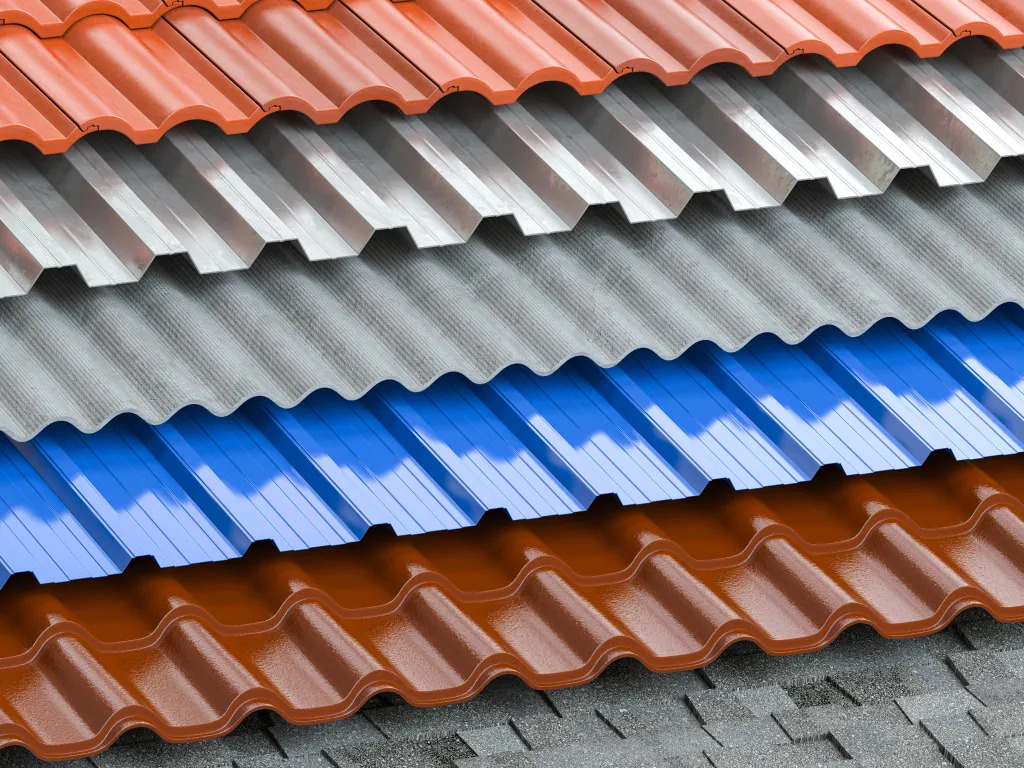
Selecting the right roofing material is a crucial decision that impacts the aesthetics, durability, and overall performance of your home. With a wide range of options available, each with its own set of advantages and considerations, it’s important to understand the characteristics of different roofing materials. In this article, we’ll explore various types of roofing materials, helping you make an informed choice that aligns with your needs, budget, and architectural preferences.
1. Asphalt Shingles:
Asphalt shingles are one of the most common roofing materials due to their affordability, versatility, and ease of installation. They come in various colors and styles, making them suitable for a wide range of architectural designs.
2. Metal Roofing:
Metal roofing materials, such as aluminum, steel, and copper, offer exceptional durability, longevity, and resistance to harsh weather conditions. Metal roofs are energy-efficient and can be installed in various styles, including panels, shingles, and standing seam.
3. Wood Shingles and Shakes:
Wood shingles and shakes provide a timeless and natural aesthetic. They are typically made from cedar, redwood, or pine and offer excellent insulation properties. However, wood roofing requires regular maintenance to prevent decay and insect infestations.
4. Slate Roofing:
Slate roofing is known for its elegance, longevity, and resistance to fire and harsh weather. Slate tiles are durable and come in a variety of colors and sizes. While slate roofing offers exceptional quality, it can be heavy and expensive to install.
5. Clay and Concrete Tiles:
Clay and concrete tiles are popular for their durability and distinctive Mediterranean or Spanish-style aesthetics. They are resistant to fire, rot, and insects, making them a long-lasting roofing choice. However, their weight may require additional structural support.
6. Synthetic Roofing Materials:
Synthetic roofing materials, such as synthetic slate or shake, offer the appearance of traditional roofing materials at a lower cost. They are lightweight, durable, and often made from recycled materials.
7. Rubber Roofing (EPDM):
Ethylene Propylene Diene Monomer (EPDM) rubber roofing is known for its durability, flexibility, and resistance to UV rays. It is commonly used for flat or low-sloped roofs and is particularly popular in commercial applications.
8. Green Roofing:
Green roofing involves growing vegetation on the roof’s surface, providing insulation, stormwater management, and environmental benefits. It’s an eco-friendly option that contributes to improved air quality and energy efficiency.
9. Solar Shingles:
Solar shingles combine roofing and solar technology, allowing homeowners to generate electricity from their roof. Solar shingles are integrated into the roofing system, offering a discreet and energy-efficient solution.
10. Built-Up Roofing (BUR):
Built-Up Roofing consists of multiple layers of roofing felt and asphalt, making it suitable for flat or low-sloped roofs. BUR provides durability and resistance to weather elements.
11. Modified Bitumen Roofing:
Modified bitumen roofing is a type of asphalt roofing that incorporates modifiers to enhance its durability and flexibility. It’s often used in commercial and industrial settings.
12. Choosing the Right Material:
When selecting a roofing material, consider factors such as climate, budget, maintenance requirements, and architectural style. Consult with roofing professionals to determine the best material for your specific needs.
13. Longevity and Maintenance:
Different roofing materials have varying lifespans and maintenance needs. Consider how often you’re willing to perform maintenance and how long you want your roof to last when making your choice.
14. Energy Efficiency and Sustainability:
Some roofing materials offer enhanced energy efficiency, contributing to lower energy bills and reduced environmental impact. Research the energy-efficient properties of different materials before making a decision.
15. Local Building Codes and Aesthetics:
Local building codes and neighborhood aesthetics may influence your choice of roofing material. Check with local authorities and homeowners’ associations to ensure your chosen material complies with regulations.
Conclusion:
Choosing the right roofing material involves a careful balance between aesthetics, durability, and practicality. Each type of roofing material has its own advantages and considerations, making it important to thoroughly research and understand the options available. By considering factors such as climate, budget, architectural style, and maintenance requirements, you can make an informed decision that ensures your roof not only enhances the curb appeal of your home but also provides reliable protection for years to come.


